 11
11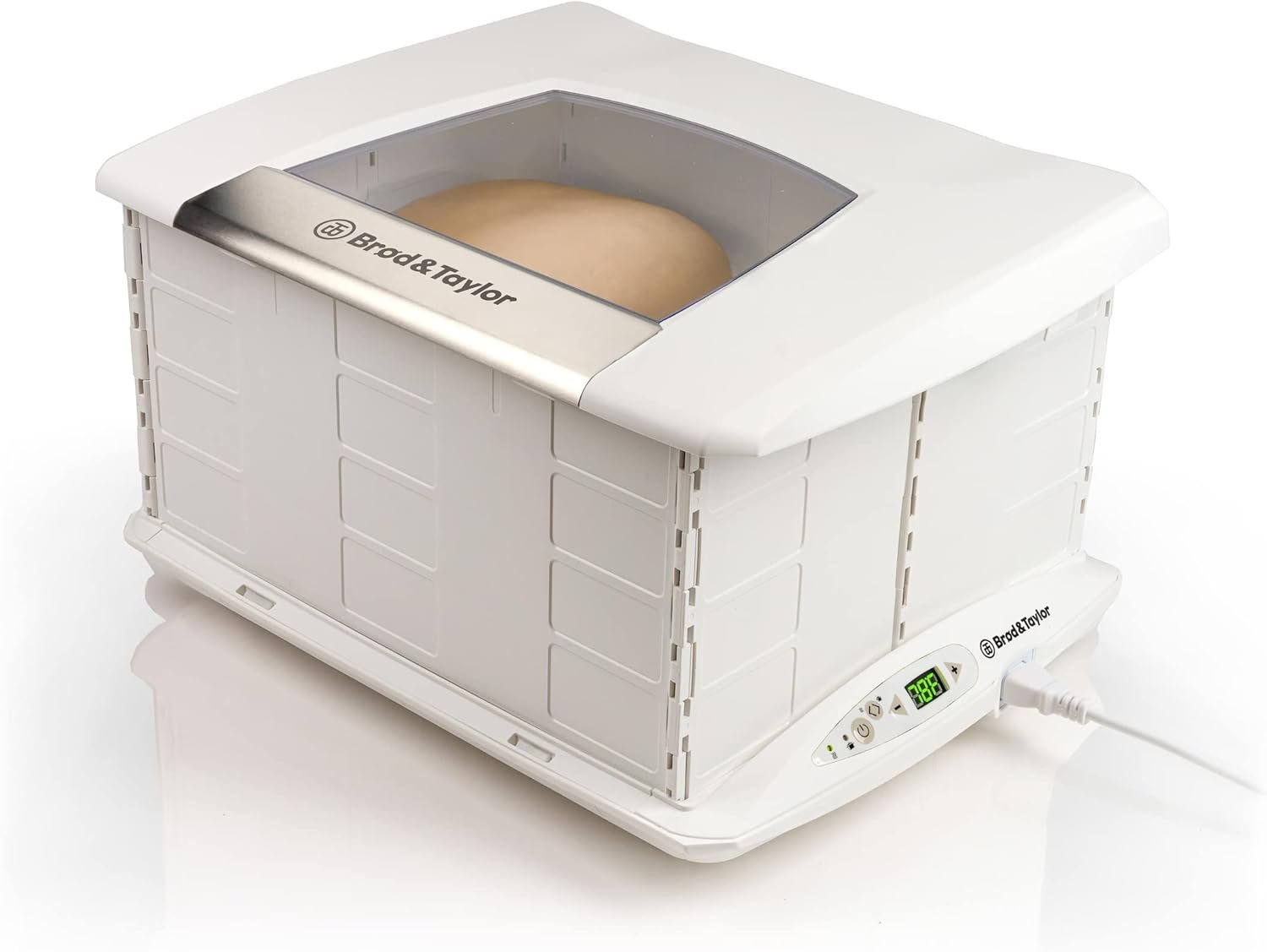
Bread baking is a hobby full of small variables that can make or break a loaf: flour hydration, yeast activity, ambient temperature, and timing all interact in ways that can feel unpredictable, especially for home bakers without a dedicated proofing setup. One of the trickiest variables to control is temperature during fermentation, since most kitchens fluctuate throughout the day and across seasons. The Brod & Taylor Folding Proofer & Slow Cooker was designed specifically to address that inconsistency, offering a controlled, adjustable environment for dough fermentation and a few other temperature-sensitive kitchen tasks.
This article explores what the appliance does, how it fits into a home baking routine, and what’s worth understanding before deciding if it makes sense for your kitchen. As always, it’s a good idea to check current product specifications and details directly, since exact features can be refined or updated over time.
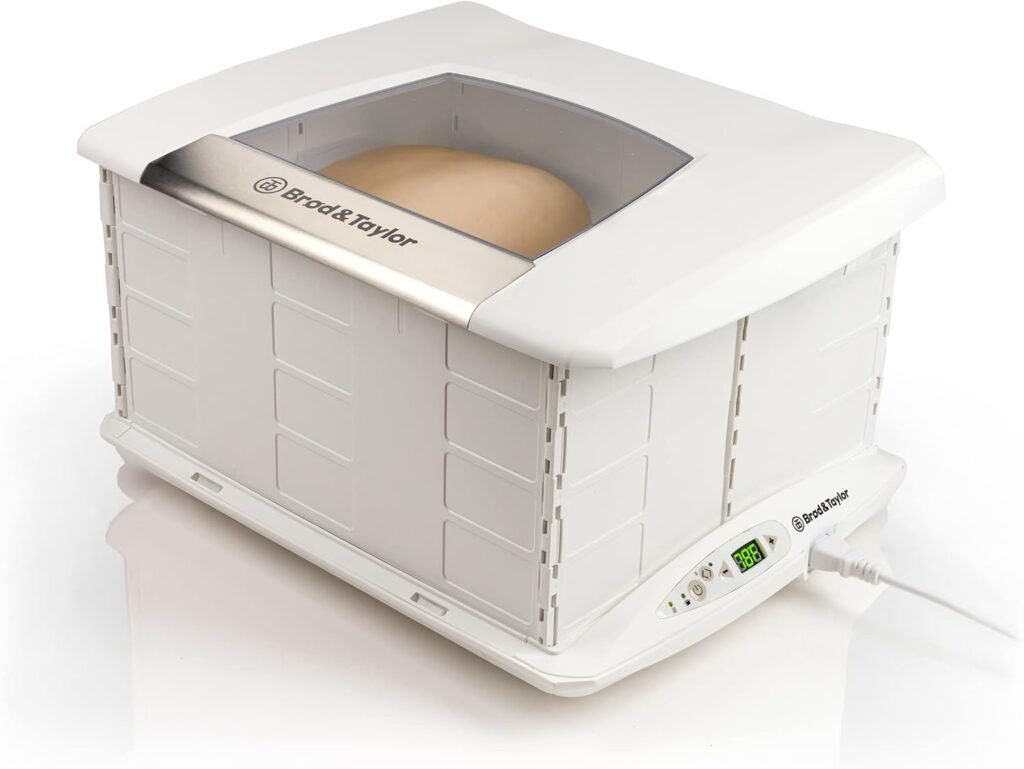
At its core, this is a temperature-controlled proofing box, a small enclosed chamber designed to hold a stable, adjustable temperature for the purpose of helping bread dough rise consistently. Unlike leaving dough on a countertop or in an oven with the light on (a common improvised method), a dedicated proofer allows for precise temperature control across a wider range, which can matter significantly for different types of dough, including those requiring cooler, slower fermentation as well as warmer, faster rises.
What sets this particular model apart within the proofing box category is its folding design. Rather than being a bulky, permanently sized box that takes up significant storage space, the unit is built to fold nearly flat when not in use, a practical consideration for home bakers without a dedicated pantry or large kitchen storage area. Despite folding down, it expands to a fairly tall interior height when in use, designed specifically to accommodate tall items like rising bread dough in tall proofing baskets, multi-tier trays, or yogurt-making containers.
Beyond bread proofing, the device includes a secondary slow cooking function, which broadens its use beyond fermentation-related tasks alone.
One of the most valuable aspects of a dedicated proofer is the ability to set and maintain a specific temperature rather than relying on ambient room conditions. This model typically offers a fairly wide adjustable range, allowing bakers to select cooler temperatures for slow fermentation (which many bakers believe develops more complex flavor) or warmer temperatures for a faster rise when time is limited.
Unlike bulkier, rigid proofing boxes, this model is designed to collapse into a slim, flat profile for storage, which is a meaningful consideration for home bakers with limited kitchen or pantry space. When needed, it can be unfolded and set up relatively quickly, then broken down again after use.
The unfolded unit typically offers enough interior height to accommodate tall proofing baskets (bannetons), multiple trays stacked for batch fermentation, or other tall containers, which is particularly useful for bakers working with sourdough boules, batards, or multiple loaves at once.
Many users take advantage of the interior height by using multiple shelves or trays simultaneously, allowing several items to ferment or prove within the same controlled environment rather than requiring separate setups for each item.
In addition to bread proofing, the appliance includes a slow cooking mode, extending its usefulness to dishes like stews, yogurt-making, or other slow, low-temperature cooking tasks that benefit from consistent, controlled heat over an extended period.
Rather than relying on vague low/medium/high settings, the unit typically includes a digital temperature display and control, allowing for more exact temperature selection, which matters for bakers who want to replicate specific fermentation conditions consistently across multiple bakes.
Proper dough fermentation often benefits from some humidity control to prevent the surface of the dough from drying out and forming a skin during proofing. Many users address this by placing a small dish of water inside the unit or lightly covering dough, though it’s worth checking specific product guidance on humidity management for best results.
Because the unit folds flat and is generally lightweight compared to bulkier proofing boxes, it’s relatively easy to store in a cabinet, closet, or even under a bed when not actively in use, then set up again as needed.
For home bakers, particularly those working with naturally leavened bread or recipes requiring precise fermentation control, this type of proofer tends to become a regular part of the baking process.
Proofing sourdough and other naturally leavened bread. Sourdough fermentation is particularly sensitive to temperature, with warmer temperatures speeding up fermentation and cooler temperatures slowing it down, often used deliberately to develop more complex flavor over a longer rise. A dedicated proofer allows bakers to target a specific temperature consistently, rather than being at the mercy of a kitchen’s ambient conditions, which can vary significantly between seasons.
Maintaining a sourdough starter. Beyond proofing bread dough itself, a temperature-controlled environment is often used to keep a sourdough starter at a consistent temperature, which can help maintain more predictable, reliable fermentation activity over time, particularly useful for bakers who bake frequently and want consistent starter performance.
Batch proofing multiple loaves. Thanks to the tall interior and multi-shelf capability, bakers working on multiple loaves, rolls, or other yeasted goods at once can proof several items simultaneously within the same controlled environment, which is particularly useful when baking for larger groups or events.
Fermenting yogurt. Yogurt-making requires holding milk at a consistent warm temperature for several hours to allow bacterial cultures to develop properly. Since this device offers adjustable, stable temperature control, it’s commonly used by home yogurt-makers as an alternative to more limited yogurt-specific appliances.
Slow cooking dishes requiring extended low heat. Using the built-in slow cooker function, the appliance can also be used for dishes benefiting from long, gentle cooking, similar to how a traditional slow cooker or crockpot would be used, adding some day-to-day versatility beyond baking-specific tasks.
Tempering chocolate or other temperature-sensitive kitchen tasks. Some home cooks and bakers use adjustable temperature-controlled environments like this for tasks such as tempering chocolate, which requires holding chocolate within a fairly narrow temperature range to achieve the right texture and sheen.
Serious home bread bakers, especially sourdough bakers. Those who bake bread regularly, particularly naturally leavened sourdough, tend to benefit most from precise fermentation control, since temperature has such a significant impact on both timing and flavor development in this style of baking.
Bakers in climates with significant seasonal temperature swings. For those whose kitchens run noticeably colder in winter or warmer in summer, a dedicated proofer helps standardize fermentation conditions year-round, rather than needing to constantly adjust recipes or timing based on the season.
People with limited kitchen storage space. Because the unit folds flat, it particularly suits bakers in smaller kitchens or apartments who want the benefits of a dedicated proofer without permanently sacrificing counter or storage space to a bulky, rigid box.
Home yogurt makers. Those interested in making yogurt regularly may find the adjustable, stable temperature control useful beyond just bread baking, offering a dual-purpose appliance rather than needing a separate yogurt maker.
Bakers who batch bake or bake for groups. The tall, multi-shelf interior capacity is particularly useful for those regularly proofing multiple loaves or batches at once, such as for markets, gifting, or larger household consumption.
On the other hand, casual or occasional bakers who don’t bake with naturally leavened dough or don’t find ambient temperature fluctuations to be a significant issue in their results may not find as much value in a dedicated proofing appliance, and might be just as satisfied using simpler, improvised proofing methods like an oven with the light on.
Setup and breakdown adds a small extra step. While the folding design is convenient for storage, it does mean setting up and breaking down the unit each time it’s used, which is a bit more involved than simply leaving dough on the counter, though generally still quick compared to other kitchen appliance setups.
Humidity management may require some experimentation. Since proper fermentation often benefits from some humidity control to avoid a dry, crusty surface forming on the dough, users may need to experiment with adding water dishes or covering dough appropriately within the unit for best results.
Learning ideal settings takes some practice. Even with adjustable, precise temperature control, understanding which specific temperature and timing combinations work best for your particular dough, starter, or recipe may take some trial and error, particularly for bakers newer to temperature-controlled fermentation.
Storage space, while reduced, isn’t eliminated. Although the folding design significantly reduces the footprint compared to rigid proofing boxes, the unit still requires some dedicated storage space when folded, which is worth factoring in for very small kitchens.
Not a full oven or dedicated slow cooker replacement. While the slow cooker function adds versatility, it’s generally intended as a supplementary feature rather than a full replacement for a dedicated, larger-capacity slow cooker suited to bigger batches of stews or braises.
Price point relative to improvised alternatives. Dedicated proofers tend to cost more than free, improvised methods like using an oven with the light on or a warm spot in the kitchen, so it’s worth weighing how much value precise, consistent control adds to your specific baking habits and frequency.
Improvised proofing methods (such as an oven with the light on, a microwave with a cup of hot water, or simply a warm spot in the kitchen) cost nothing extra and work reasonably well for casual or occasional baking, but they generally lack precise, consistent temperature control and can vary significantly depending on the specific oven, room, or time of day.
Rigid, non-folding proofing boxes typically offer similar core temperature control benefits but take up permanent storage or counter space, which may not suit bakers with limited kitchen storage.
Multi-function fermentation appliances (such as some models marketed as combination yogurt makers, dough provers, and slow cookers) aim to cover several use cases in a single device, similar to this model, generally appealing to bakers who want added versatility beyond bread proofing alone.
Proofing in professional-style walk-in proofing cabinets, more common in commercial bakeries, offers larger capacity and often more advanced humidity control, but is generally impractical for home kitchens given size and cost considerations, making home-scale folding proofers a more realistic option for serious home bakers.
Do I need a proofer to bake good sourdough bread at home? Not necessarily. Many bakers achieve good results using improvised methods and simply adjusting timing based on their kitchen’s ambient temperature. A dedicated proofer mainly offers more consistency and control, which can be particularly helpful for bakers aiming for precise, repeatable results or those in climates with significant temperature swings.
Can this appliance be used for anything besides bread dough? Yes, common additional uses include yogurt-making and general slow cooking, thanks to the built-in slow cooker function and adjustable temperature range suited to various fermentation and slow-cooking tasks.
How much space does it take up when folded? The folding design is specifically intended to significantly reduce its footprint compared to rigid proofing boxes, allowing it to be stored in a cabinet or closet relatively easily, though exact folded dimensions are worth checking against your available storage space.
Does it require adding water for humidity, or is that built in? Humidity management often requires some manual adjustment, such as placing a small dish of water inside during use, since maintaining adequate moisture helps prevent dough from drying out during longer proofing periods. Specific guidance may vary, so checking manufacturer instructions is recommended.
Is this suitable for someone who only bakes occasionally? It can still be useful, but the value tends to be more pronounced for those baking regularly, particularly with naturally leavened dough sensitive to temperature fluctuations. Occasional bakers may find simpler, cost-free proofing methods sufficiently practical for their needs.
How many loaves can be proofed at once? This depends on tray configuration and loaf size, but the tall interior height and multi-shelf capability generally allow for proofing multiple loaves simultaneously, which is useful for batch baking or larger gatherings.
The Brod & Taylor Folding Proofer & Slow Cooker addresses a fairly specific but meaningful challenge in home baking: the difficulty of achieving consistent, controlled fermentation temperatures without a dedicated appliance. Its folding design offers a practical solution for bakers concerned about storage space, while its tall interior and multi-shelf capability support more serious or batch baking needs. The added slow cooker function extends its usefulness slightly beyond baking alone, appealing to those interested in yogurt-making or general slow cooking as well.
That said, it’s not a strictly necessary tool for every home baker. Casual or occasional bakers may find improvised proofing methods perfectly adequate for their needs, while more serious or frequent bakers, particularly those working with sourdough or batch baking multiple loaves, are likely to see more consistent value from a dedicated, temperature-controlled setup like this one.
As always, it’s worth reviewing current product specifications, dimensions, and included accessories directly, since details can vary or be updated over time.