 11
11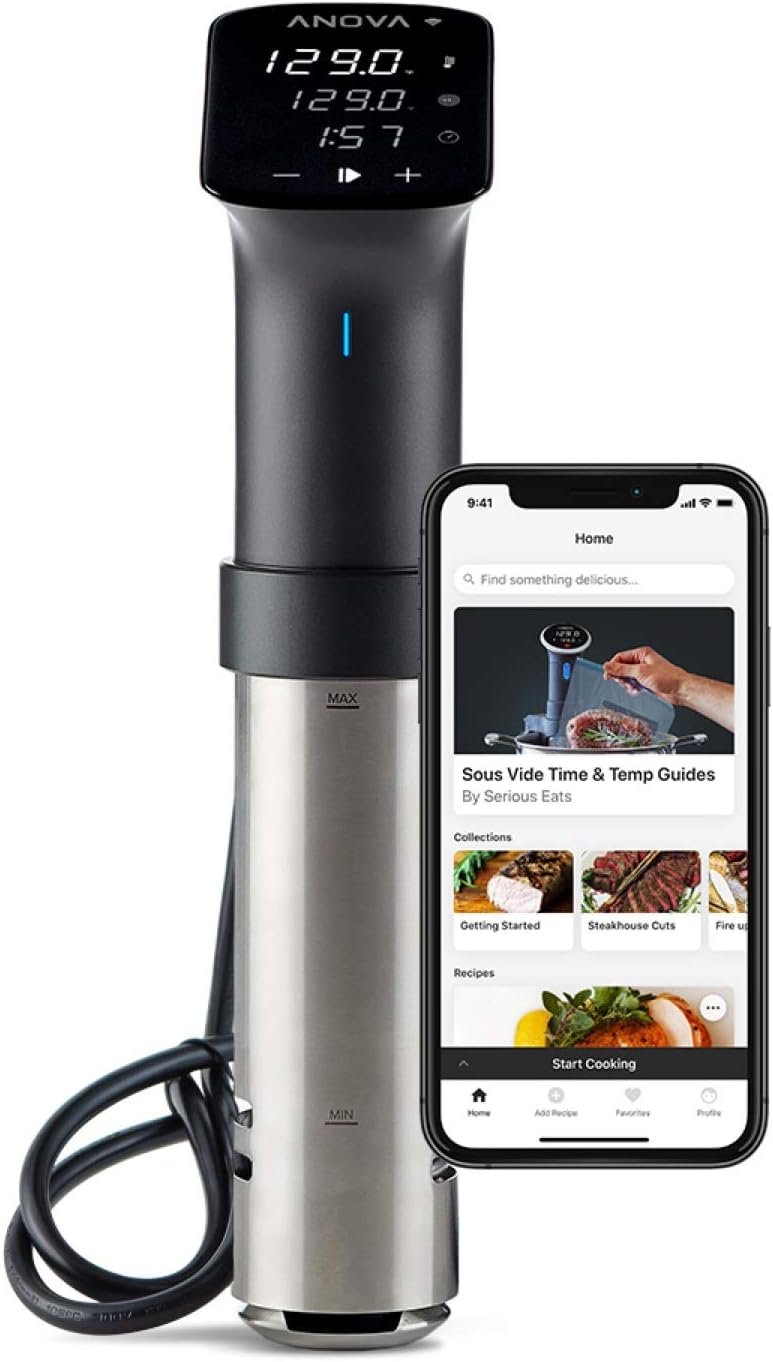
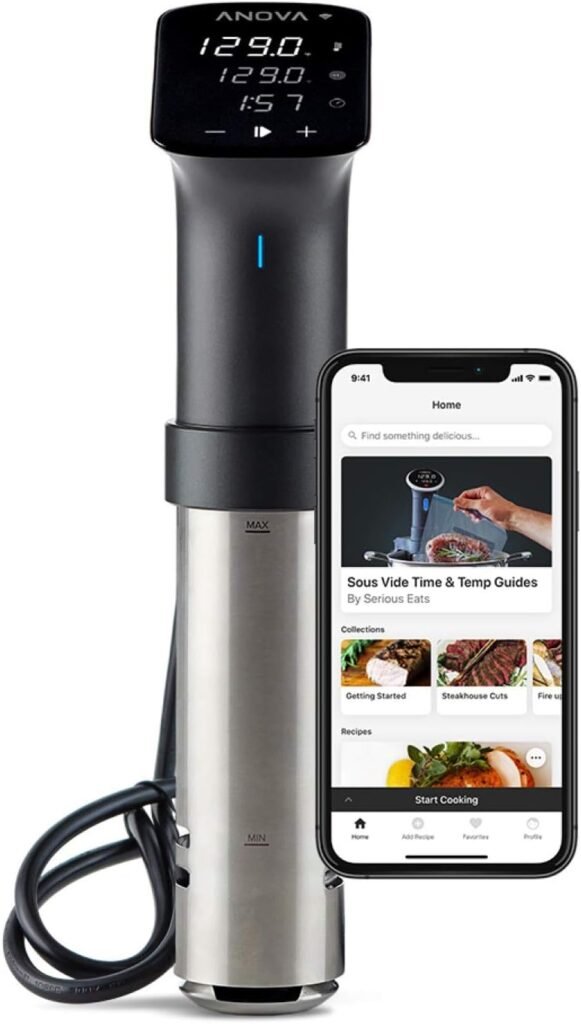
Sous vide cooking has moved from a restaurant-kitchen technique known mostly to professional chefs into something increasingly common in home kitchens. The basic idea is simple: seal food in a bag, submerge it in a precisely controlled water bath, and let it cook slowly and evenly to an exact temperature, rather than relying on the more unpredictable heat of a stovetop or oven. The Anova Precision Cooker Pro is one of the tools built specifically for this method, offering a higher-wattage, more heavy-duty option compared to entry-level sous vide devices.
This article looks at what the device does, how people typically use it, and some practical points worth considering before deciding whether it fits into your cooking routine. As always, it’s worth reviewing current specifications directly, since exact features and compatibility details can be updated over time.
At its core, this is an immersion circulator, a device that clips onto the side of a pot or dedicated container, circulates water, and heats it to a specific, steady temperature. Unlike boiling or simmering, where temperature naturally fluctuates and often overshoots the intended range, immersion circulators are designed to hold water at an exact set point, sometimes within a fraction of a degree, for extended periods.
The “Pro” designation in this particular model generally refers to a step up from standard consumer sous vide devices, with a stronger 1200-watt heating element designed to heat larger volumes of water more quickly and maintain temperature more reliably, even in bigger containers or when frequently adding cold food to the bath. This makes it a device often used by more serious home cooks, small commercial kitchens, or people cooking in larger batches.
Wattage in an immersion circulator largely determines how quickly it can bring a water bath up to temperature and how well it maintains that temperature when cold food is added. A 1200-watt heating element is considerably more powerful than many entry-level sous vide circulators, which often sit in the 750-to-900-watt range. This added power is particularly useful for larger water baths or when cooking multiple items that might otherwise cause a noticeable temperature dip when added.
Sous vide cooking depends heavily on temperature accuracy, since the entire method revolves around holding food at an exact target temperature for an extended period rather than cooking through direct high heat. This device is built to allow precise digital temperature setting, typically adjustable in small increments, giving users fine control over doneness levels for proteins and other foods.
Beyond simply heating water, immersion circulators use an internal pump to keep water moving throughout the bath. This circulation is important because it prevents hot and cold spots from forming, ensuring that food cooks evenly regardless of where it sits in the container.
Rather than requiring a specialized container, the device is designed to clip onto the side of most standard stock pots or dedicated sous vide containers, offering some flexibility in terms of what vessel is used for the water bath, provided it can accommodate the appropriate water depth.
Many devices in this category, including this one, include wireless connectivity, allowing temperature and timer settings to be controlled remotely through a companion smartphone app. This can be useful for starting a cook while away from home, adjusting settings without standing next to the device, or monitoring cook time remaining.
Alongside remote control features, companion apps for sous vide devices often include built-in recipes and guided cooking suggestions, including recommended time and temperature combinations for various proteins, vegetables, and even desserts, which can be particularly useful for those newer to the technique.
Compared to some rattling or vibrating dynamics found in lower-quality circulators, higher-end models like this one are generally designed with quieter pump operation in mind, which matters for cooks running long, multi-hour cooks in shared living spaces or open-concept kitchens.
Given its “Pro” positioning, this model is generally built with a sturdier design intended for more frequent or heavier-duty use, including a stronger clamp mechanism to keep it securely attached to larger pots throughout long cooking sessions.
Sous vide cooking tends to appeal to people who want highly consistent, repeatable results, particularly for proteins that are easy to overcook using traditional methods.
Cooking steak to a precise doneness. One of the most common uses for immersion circulators is cooking steak to an exact level of doneness throughout the entire cut, edge to edge, rather than the more common gradient you get from pan-searing or grilling alone (well-done at the edges, rare in the middle). After the sous vide bath, a quick sear in a hot pan is typically used to develop a browned crust.
Cooking chicken breast without drying it out. Chicken breast is notoriously easy to overcook using conventional methods, often resulting in dry, tough meat. Sous vide cooking allows chicken to be held at a precise temperature that’s both food-safe and results in a notably more tender texture than typical stovetop or oven methods.
Preparing eggs with specific textures. Because sous vide allows extremely precise temperature control, it’s a popular method for cooking eggs to very specific textures, whether that’s a soft-set yolk with just-set whites or other custom consistency combinations that are hard to achieve consistently with boiling alone.
Batch cooking proteins for meal prep. Because the water bath can often accommodate multiple bags of food simultaneously (depending on container size), sous vide is frequently used for cooking larger batches of protein for the week ahead, then quickly searing or reheating portions as needed.
Infusing flavors into oils, syrups, or spirits. Beyond proteins, immersion circulators are sometimes used for infusing flavors at controlled low temperatures, useful for things like herb-infused oils or flavored syrups, where higher heat might otherwise degrade delicate flavors.
Preparing desserts requiring precise temperature control. Custards, cheesecakes in jars, and certain other desserts can benefit from the same precise, even heating that makes sous vide effective for proteins, avoiding issues like curdling or uneven setting.
Home cooks who value consistency and precision. For people who want highly repeatable results, particularly with proteins that are easy to overcook, sous vide offers a level of control that’s difficult to replicate with traditional stovetop or oven cooking alone.
Those who cook in larger batches or for bigger households. Given the stronger heating element and generally more robust build of a “Pro” model, this device suits people who often cook larger volumes of food or use bigger water bath containers that would challenge a lower-wattage circulator.
People interested in meal prepping proteins ahead of time. Sous vide’s ability to hold food at a safe temperature for extended periods (within food safety guidelines) makes it convenient for preparing multiple meals’ worth of protein in advance.
Home cooks looking to replicate restaurant-quality results. Since sous vide has long been used in professional kitchens specifically for its consistency, home cooks interested in achieving similarly precise results may find this method appealing.
Tech-comfortable users who appreciate app-based controls. Those who enjoy using connected kitchen devices, monitoring cook progress remotely, and following app-guided recipes may get particular value from the connectivity features built into higher-end sous vide devices.
On the other hand, people looking for the fastest possible cooking method, or those without much interest in a multi-step process (bath, cook, then sear), may find sous vide less appealing compared to more straightforward stovetop or grill cooking.
Sous vide requires planning ahead. Unlike quick stovetop cooking, sous vide cook times can range from under an hour for eggs to many hours (or even a day or more) for tougher cuts of meat that benefit from extended, low-temperature cooking. This method suits people comfortable planning meals somewhat further in advance.
A finishing step is often still necessary. While sous vide handles the internal cooking precisely, most proteins still benefit from (or require) a quick sear afterward to develop browning and texture on the exterior, meaning an additional pan, torch, or grill step is typically part of the full process.
Container selection matters. Because this device is a clip-on circulator rather than an all-in-one unit, users need a suitable pot or container deep enough to accommodate the water level required for the specific dish and food volume being cooked.
Vacuum sealing or bag management is part of the process. Sous vide cooking generally requires food to be sealed in bags, either using a dedicated vacuum sealer or a water displacement method with resealable bags, adding a step to meal preparation that isn’t necessary in other cooking methods.
Higher wattage means higher energy use during heating. While efficient once at temperature, the stronger 1200-watt heating element uses more energy during the initial heat-up phase compared to lower-wattage circulators, something worth factoring in for those mindful of energy consumption.
Reliance on Wi-Fi or Bluetooth connectivity for app features. While the device can typically still be operated manually without an app, features like remote monitoring and guided recipes depend on stable wireless connectivity, which may occasionally introduce connectivity hiccups common to smart kitchen devices generally.
Learning curve for time and temperature combinations. While companion apps often provide guidance, understanding appropriate time and temperature combinations for different foods (especially less common proteins or thicker cuts) can take some initial research or experimentation.
Traditional stovetop and oven cooking rely on more direct, often fluctuating heat, requiring more hands-on attention and experience to avoid over- or undercooking, particularly with proteins like chicken breast or fish that are prone to drying out. These methods are generally faster for simple, everyday cooking, but offer less precision for exact doneness levels.
Standard consumer-grade sous vide circulators typically offer similar core functionality, precise temperature control and water circulation, but with a lower-wattage heating element, meaning slower heat-up times and potentially less stable temperature maintenance in larger water baths or when adding cold food.
Multi-cookers with a sous vide function (like certain pressure cooker or slow cooker hybrids) sometimes include a sous vide setting as one of several functions. These can be convenient for occasional use but generally don’t offer the same level of temperature precision, circulation, or larger-capacity performance as a dedicated, higher-wattage immersion circulator.
Professional-grade immersion circulators, often used in restaurant kitchens, tend to offer similar or greater power and precision compared to a “Pro” consumer model, but usually at a higher cost and without the consumer-friendly app integration that models like this one typically include.
Do I need a special container to use this device? Not necessarily. Many users use a standard stock pot, provided it’s deep enough to hold the required water level and compatible with the device’s clamp. Dedicated sous vide containers are available and sometimes preferred for larger or more frequent cooking sessions, but they aren’t strictly required.
How long does sous vide cooking typically take? This varies significantly by food type and desired result. Eggs might take under an hour, while a steak could take one to a few hours, and tougher cuts intended to become tender through slow cooking might take 24 hours or more. The companion app or general sous vide guidelines usually provide time and temperature recommendations for specific foods.
Is a vacuum sealer required for sous vide cooking? While a dedicated vacuum sealer is convenient and commonly used, it’s not strictly necessary. Many people use the water displacement method with resealable freezer bags, which involves slowly submerging a partially sealed bag to push out excess air before fully sealing it.
Is sous vide cooking food safe? When time and temperature guidelines are followed correctly, sous vide is considered a safe cooking method, since the extended, controlled temperature effectively pasteurizes food. It’s important to follow recommended time and temperature charts for specific foods rather than guessing, particularly for poultry and other proteins with more stringent food safety considerations.
Why would I choose a higher-wattage “Pro” model over a standard one? A higher-wattage model like this one heats water more quickly and tends to maintain stable temperatures more reliably in larger water baths or when adding multiple cold food items at once, which can matter for people who regularly cook in bigger batches or use larger containers.
Can this device be used without the smartphone app? Yes, most immersion circulators, including this one, can typically be operated manually using onboard controls, with the app serving as an additional convenience for remote monitoring and guided recipes rather than a strict requirement for basic operation.
The Anova Precision Cooker Pro represents a step up within the immersion circulator category, built around a stronger 1200-watt heating element intended for larger water baths, more frequent use, or households that cook in bigger batches. Its precise temperature control and water circulation are designed to deliver the kind of consistent, edge-to-edge doneness that’s difficult to achieve with more traditional stovetop or oven methods, particularly for proteins prone to overcooking like chicken breast or delicate fish.
That said, sous vide cooking does require a shift in mindset compared to quicker, more traditional cooking methods. It rewards planning ahead, involves an extra sealing step, and typically requires a finishing sear for the best textural results. For home cooks interested in precision, consistency, and the ability to batch-cook proteins ahead of time, this type of device can be a valuable addition to a kitchen. For those looking for the fastest, simplest path to a meal, more traditional cooking methods may remain the more practical choice.
As always, it’s worth reviewing current product specifications, container compatibility, and app features directly, since details in this category can shift over time as technology and software continue to evolve.