 11
11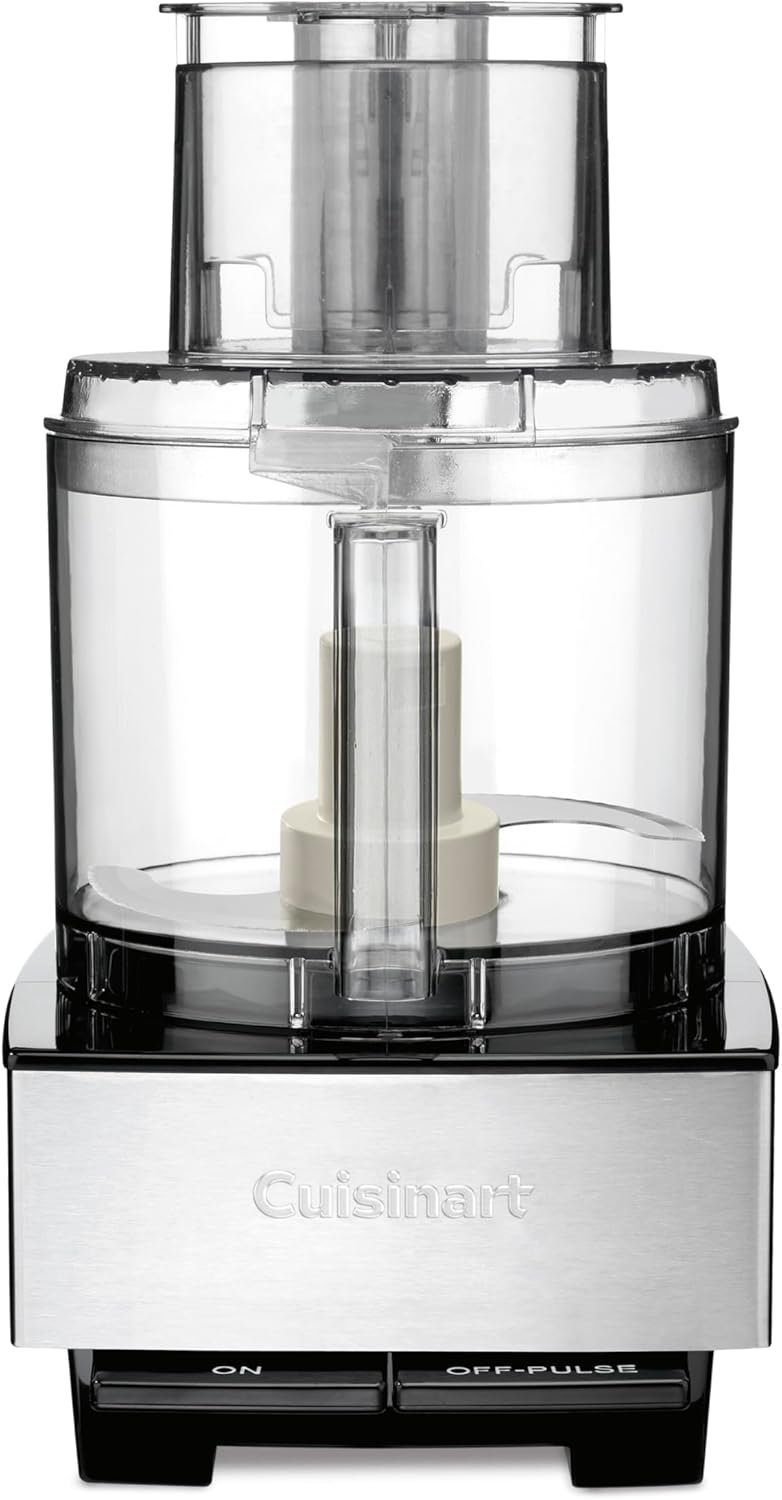
There’s a particular moment in a lot of home cooks’ journeys where chopping vegetables by hand starts to feel less like a meditative task and more like a bottleneck. Whether it’s prepping a big batch of soup, shredding cabbage for slaw, or trying to get pie dough together before the butter warms up too much, a food processor tends to be the appliance that quietly takes over the repetitive, time-consuming parts of cooking. The Cuisinart DFP-14BCNY, a 14-cup food processor with a 720-watt motor, is one option in this category worth understanding in more detail.
This article looks at what the appliance offers, how people generally put it to use in a home kitchen, and some practical considerations worth thinking through before deciding whether it fits your cooking habits. As always, checking current product listings and specifications directly is a good idea alongside any general overview like this one.
At a basic level, a food processor is a countertop appliance designed to handle tasks that would otherwise require a knife, grater, or a lot of manual effort: chopping, slicing, shredding, pureeing, and even kneading dough. The Cuisinart DFP-14BCNY falls into the larger-capacity category of food processors, with a 14-cup work bowl that’s sized for feeding a family, meal prepping in batches, or handling larger recipes without needing to process ingredients in multiple smaller rounds.
The unit includes a 720-watt motor, which is a reasonably strong motor size for a home kitchen appliance in this category, intended to handle denser ingredients like raw vegetables, nuts, and dough without straining. It comes with a stainless steel finish, a standard chopping/mixing blade, and two discs (typically a slicing disc and a shredding disc), along with a set of dishwasher-safe parts for cleanup.
The size of the work bowl is one of the more defining features of this model. A 14-cup capacity puts it toward the larger end of home food processors, which matters for anyone who cooks in bulk, meal preps for the week, or regularly needs to process large quantities of vegetables, dough, or other ingredients in a single batch rather than working in smaller rounds.
Motor strength affects how well a food processor handles denser or tougher ingredients. A 720-watt motor is generally strong enough to manage tasks like kneading bread dough, processing large batches of raw vegetables, or crushing ice, without the motor bogging down or overheating during longer processing tasks. This is a meaningful upgrade over smaller, lower-wattage processors that may struggle with heavier workloads.
The included blade is designed for general-purpose chopping, mixing, and pureeing tasks. This is typically the most frequently used attachment in a food processor, handling everything from mincing garlic and onions to blending soups, making nut butters, or mixing pie crust dough.
In addition to the main blade, the processor comes with two discs, generally one for slicing and one for shredding. These attachments are particularly useful for tasks like slicing cucumbers or potatoes evenly, shredding cheese, or preparing shredded cabbage for coleslaw, tasks that would otherwise require a mandoline, box grater, or a fair amount of knife work.
Cleanup is often one of the more overlooked but important factors in how much an appliance actually gets used. Having dishwasher-safe parts, typically the bowl, lid, blade, and discs, tends to reduce the friction of using a food processor regularly, since hand-washing multiple sharp blades and discs can be a deterrent for some people after a long day of cooking.
Many models in this category, including this one, include a wide feed tube designed to accommodate larger pieces of produce, reducing the need for extensive pre-cutting before processing. This can save time during prep, particularly for larger vegetables like whole potatoes or zucchini.
Food processors generally include a safety mechanism that prevents the motor from running unless the bowl and lid are properly locked into place. This is a standard safety feature across most models in this category, designed to prevent accidental operation while the blade is exposed or improperly secured.
For a lot of home cooks, a food processor like this ends up handling a wide variety of tasks that would otherwise eat up significant prep time.
Chopping and mincing. Tasks like mincing garlic, finely chopping onions, or prepping a mirepoix (the classic onion-carrot-celery base for many soups and stews) can be done in a fraction of the time compared to manual knife work, particularly useful when cooking in larger batches.
Shredding. The shredding disc is commonly used for shredding cheese, cabbage for coleslaw, carrots for salads, or potatoes for hash browns. This tends to be one of the more time-saving functions, since manual shredding with a box grater is often tedious and can be tough on the hands over larger quantities.
Slicing. The slicing disc handles tasks like slicing cucumbers, potatoes for gratins, or vegetables for uniform stir-fry pieces, producing consistent, even slices that can be harder to achieve by hand, particularly at scale.
Pureeing. Blending soups, making hummus, pureeing baby food, or creating smooth sauces are common uses for the main blade, especially useful for recipes that call for a smooth, uniform texture that would otherwise require a blender or immersion blender.
Kneading dough. The plastic dough blade (if included) or the main blade can often handle bread and pizza dough kneading, cutting down on manual kneading time significantly. This tends to be particularly appreciated by home bakers who make bread regularly but don’t want to invest in a stand mixer solely for that purpose.
Making nut butters and spreads. With a strong enough motor, food processors like this one can also be used to make homemade nut butter, pesto, or hummus from scratch, tasks that require sustained processing to break down ingredients into a smooth consistency.
Batch meal prep. Because of its larger 14-cup capacity, this model tends to suit people who like to prep a week’s worth of chopped vegetables, shredded cheese, or sauce bases in one sitting, storing them for use throughout the week.
Home cooks who cook in larger batches. For those who meal prep, cook for larger families, or entertain regularly, the 14-cup capacity reduces the need to process ingredients in multiple smaller rounds, saving both time and cleanup between batches.
People who bake bread or make dough regularly. The combination of a strong motor and dough-kneading capability makes this type of processor appealing to home bakers who want to speed up dough preparation without necessarily investing in a separate stand mixer.
Those looking to reduce reliance on multiple prep tools. A food processor with multiple attachments can often replace the need for a separate box grater, mandoline, and extensive knife work for certain tasks, which appeals to people looking to streamline their kitchen tools.
Home cooks interested in from-scratch cooking. Making your own hummus, pesto, nut butter, or salad dressings from scratch becomes considerably more convenient with a capable food processor, which may appeal to those trying to reduce reliance on store-bought, pre-made versions of these foods.
Larger households or those who host frequently. The larger bowl capacity is particularly useful for people regularly cooking for more than just one or two people, or those who host gatherings that require bulk food prep.
On the other hand, individuals living alone or cooking primarily small portions might find a 14-cup processor larger than necessary for daily use, and could consider whether a smaller, more compact model might suit their needs and counter space better.
Counter and storage space. A 14-cup food processor, along with its various attachments, tends to take up a reasonable amount of counter or cabinet space. It’s worth considering where the unit and its accessories will be stored when not in use, particularly in smaller kitchens.
Learning curve for different attachments. While the main chopping blade is fairly intuitive, getting comfortable with when to use the slicing disc versus the shredding disc, or how to properly load the feed tube for even results, may take a bit of practice for those new to food processors.
Attachment storage and organization. Multiple blades and discs mean multiple parts to keep track of, clean, and store safely, given that some of these attachments have sharp edges that require careful handling.
Not a full blender replacement. While the pureeing function can handle many blending tasks, very liquid-heavy recipes like smoothies or thin soups are often better suited to a traditional blender, since food processors are generally designed with less-liquid, denser mixtures in mind.
Noise levels during operation. Motors strong enough to handle dense ingredients like dough or ice tend to be louder than smaller appliances, something worth factoring in for early-morning or late-night meal prep in shared living spaces.
Cleaning time despite dishwasher-safe parts. While convenient, multiple components still need to be disassembled, rinsed of food residue if necessary, and loaded into the dishwasher, which is more involved than cleanup for simpler single-blade tools.
It helps to think about food processors in relation to other common kitchen appliances, rather than comparing specific brands directly.
Blenders are generally better suited to liquid-heavy tasks like smoothies, thin soups, and drinks, since their blade design and container shape are optimized for liquids. Food processors, by contrast, tend to handle denser, drier, or chunkier ingredients more effectively, including doughs, thick dips, and chopped vegetables.
Stand mixers are typically favored for tasks requiring whipping, such as whipped cream or meringues, and are often preferred by dedicated bakers for consistent dough kneading over extended periods. Food processors can handle many dough-kneading tasks reasonably well but aren’t always the first choice for delicate whipping tasks like egg whites.
Manual tools (knives, box graters, mandolines) offer more hands-on control and don’t require electricity, cleanup of motorized parts, or storage space for a larger appliance. However, they generally take significantly more time and physical effort for larger quantities, which is where food processors tend to offer the most noticeable time savings.
Smaller mini food processors or choppers are suited to smaller households or occasional use, typically handling smaller quantities of ingredients like garlic, herbs, or small batches of sauce. Larger capacity models like this one are generally better suited to bigger recipes, batch cooking, or larger households.
Can this food processor fully replace a stand mixer for baking? It can handle many dough-related tasks, including kneading bread and pizza dough, but stand mixers are often still preferred for tasks like whipping cream, egg whites, or extended mixing for certain baked goods that require specific textures.
Is a 14-cup capacity too large for a single person or couple? It depends on cooking habits. For those who cook in bulk or meal prep for the week, the larger capacity can still be useful even in smaller households. However, those who cook small portions regularly might find a smaller processor more practical for storage and everyday use.
How difficult is it to switch between the different blades and discs? Most models in this category are designed with straightforward attachment systems, though there is typically a short learning curve for new users to get comfortable identifying which attachment suits a given task and properly securing it before use.
Can this be used to make baby food? Yes, pureeing is one of the more common uses for the main blade, and many parents use food processors specifically for making homemade baby food in larger batches for freezing and later use.
Is it necessary to hand-wash the blades even though they’re dishwasher-safe? While the parts are generally dishwasher-safe, some users prefer to hand-wash blades immediately after use to maintain sharpness over time and avoid potential dulling from dishwasher detergent or high heat, though this comes down to personal preference.
What’s the difference between the slicing and shredding discs? The slicing disc is designed to cut ingredients into even, flat slices, useful for vegetables like cucumbers or potatoes. The shredding disc creates thinner, longer strands, ideal for shredding cheese, cabbage, or carrots.
The Cuisinart DFP-14BCNY represents a fairly common approach in the food processor category: a larger-capacity bowl, a motor strong enough to handle a range of ingredient densities, and a set of attachments designed to cover the most common kitchen prep tasks, from chopping and shredding to slicing and dough kneading. For home cooks who regularly find themselves spending significant time on manual prep work, particularly in larger households or batch-cooking situations, this type of appliance can meaningfully cut down on both time and physical effort in the kitchen.
That said, it’s not a universal fit for every kitchen. Smaller households, those tight on counter or storage space, or people who only occasionally need food processor functions might find a smaller or more basic model better suited to their needs. As with most kitchen appliance decisions, it comes down to matching the appliance’s capacity and features to your actual cooking habits rather than assuming bigger or more feature-rich automatically means better for your situation.
As always, it’s worth reviewing current specifications, included accessories, and dimensions directly before making a decision, since details can vary slightly across retailers and over time.